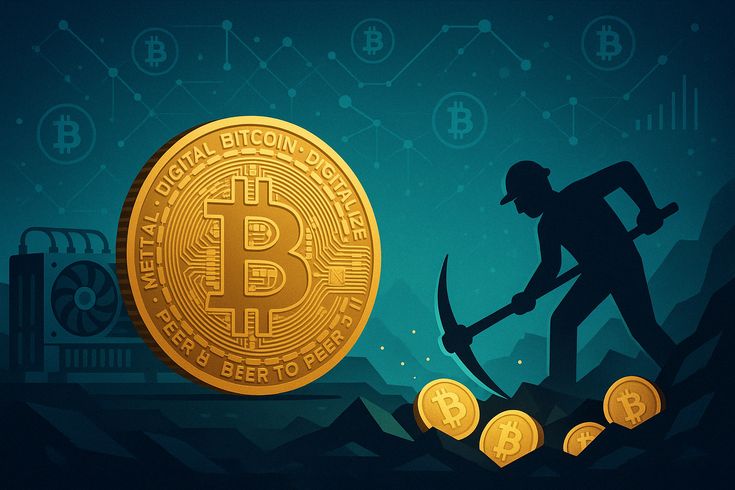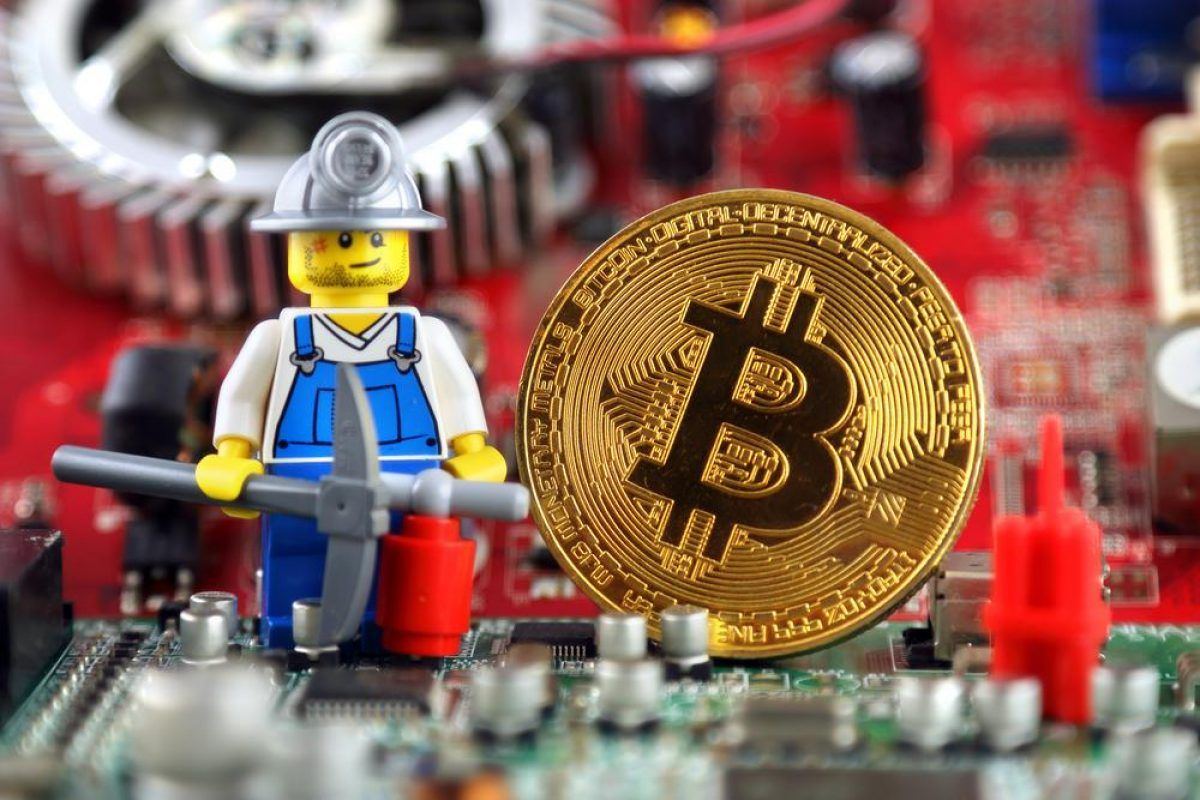
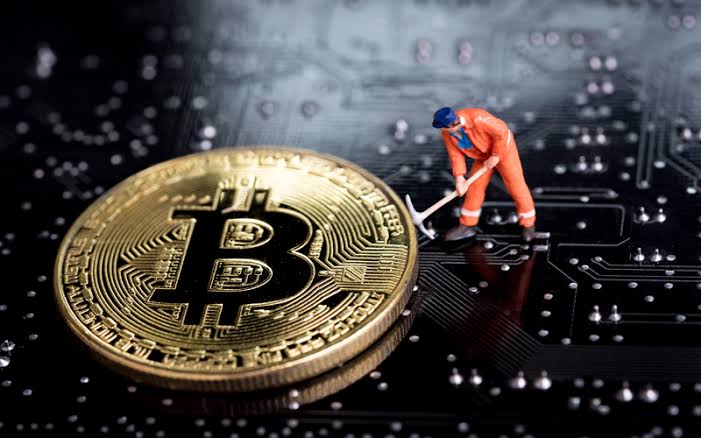
Crypto mining is a crucial part of some blockchain networks. Typically associated with huge computers, loads of electricity and complicated computations, the basic idea is very simple.
Some cryptocurrencies use mining to verify transactions, add new blocks to the blockchain and secure the network. Miners provide the computing power and may be rewarded with cryptocurrency if they successfully add blocks.
What Is Cryptocurrency Mining?
Mining is frequently used by cryptocurrencies that use a proof-of-work system.
Miners collect unconfirmed transactions and then use specialized computers to perform large numbers of calculations. The goal is to find a valid outcome that meets the requirements of the blockchain.
When a miner finds a valid solution, the rest of the network verifies the block. If everything is correct, the block can be added to the blockchain.
The successful miner may receive a block reward and transaction fees, depending on the network.
Why Is Mining So Power-Hungry?
The mining industry is much more competitive than it was during the early days of cryptocurrency.
Some mining operations could once be carried out using normal computers. Today, many proof-of-work networks require specialized hardware that is designed to perform calculations efficiently.
Electricity is another major factor. Mining machines can run continuously, so electricity costs can directly affect profitability. Hardware, cooling, maintenance, network difficulty and cryptocurrency prices also need to be considered.
As a result, mining profitability can change quickly.
Competitiveness and Mining Pools
Mining a major cryptocurrency can be difficult because one machine represents only a small part of the network’s overall computing power.
Mining pools allow groups of miners to combine their computing resources. Rewards from successfully mined blocks are then distributed according to the rules of the pool.
This can provide more regular payments, although pool fees and other running costs still apply.
Is Crypto Mining Worth It?
Crypto mining does not guarantee a profit.
Cryptocurrency prices can fall, electricity prices can rise and newer hardware can make older machines less competitive. Changes in network difficulty and mining rewards can also affect the results.
For this reason, mining is better viewed as a technical and business activity rather than an easy source of passive income.
Mining in the Future
Mining hardware continues to improve, and the industry is looking for better ways to manage energy consumption.
More efficient mining machines, improved cooling systems and renewable energy could influence future mining operations. Regulations may also affect where and how mining activities can take place.
At its core, crypto mining is about using computing power to support certain blockchain networks. Understanding the technology, costs and risks provides a clearer picture of what mining actually involves.