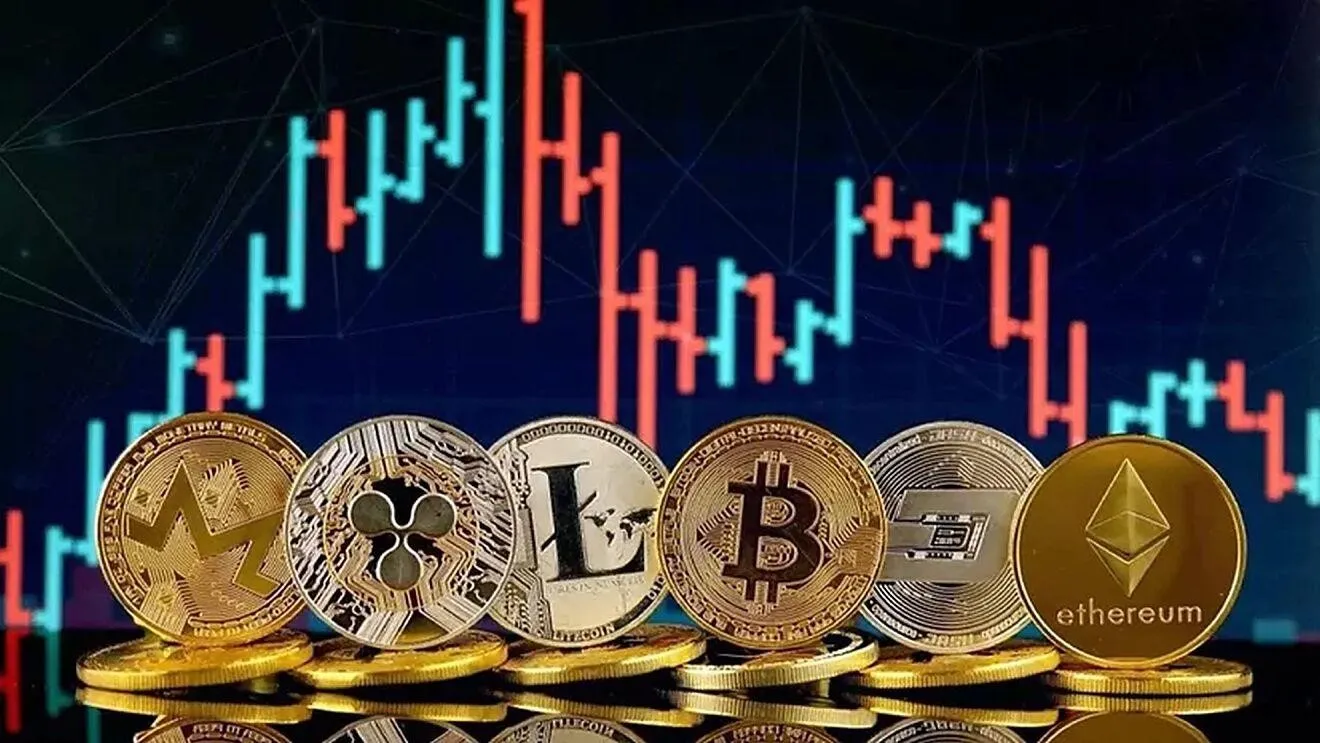

The crypto space might look simple from the outside. A coin has a name, a price, a chart, and a market value. But once you look a little closer, the differences between cryptocurrencies become much more important.
Some coins are created to support their own blockchain. Others are designed for specific purposes, such as payments, smart contracts, decentralized applications, or digital ecosystems. There are also thousands of smaller projects with very different levels of adoption, development, and risk.
That’s why simply looking at the price is rarely enough.
Before investing in a cryptocurrency, it is important to understand the project itself, how the network works, how the coin supply is structured, and what risks could affect its future.
Start With the Purpose of the Coin
Every cryptocurrency should have a reason for existing.
Some coins are native assets of their own blockchain networks. Others are designed to support payments, applications, smart contracts, decentralized finance, or other blockchain-based services.
Understanding the purpose can help distinguish between a project with a clear use case and one that is mainly being driven by market excitement.
Ask a few basic questions:
- What problem does the project aim to solve?
- What is the coin actually used for?
- Does the blockchain offer something useful or different?
- Are people actively using the network?
- Is there genuine demand for the coin?
A strong marketing campaign does not necessarily mean there is strong demand for the underlying technology.
Look at the Technology
The technology behind a cryptocurrency can reveal a lot about how the project operates.
Different blockchains use different methods to verify transactions and secure their networks. Bitcoin, for example, uses proof of work, while many other networks use proof of stake or alternative mechanisms.
There is no need to become a blockchain developer to research a cryptocurrency.
However, it can be useful to understand basic points such as:
- How transactions are verified
- How the network is secured
- Whether the blockchain is designed for payments, applications, or another purpose
- Transaction speed and costs
- Whether the network can handle increased activity
- How upgrades and changes are implemented
The more clearly the technology addresses a genuine problem, the easier it becomes to understand the project’s long-term purpose.
Understand Market Capitalization
The price of a coin can be misleading.
A cryptocurrency trading for a few cents is not necessarily cheaper than one trading for thousands of dollars. The number of coins in circulation is also important.
Market capitalization is generally calculated by multiplying the current price by the circulating supply.
This provides a more useful way to compare the relative size of different crypto assets than simply comparing individual coin prices.
It is also worth looking at the total supply and maximum supply, where applicable. A project with a large number of coins that could enter circulation in the future may have very different supply dynamics from a project with a more limited supply.
Review the Coin Supply
Supply can have a significant impact on the behaviour and valuation of a cryptocurrency.
Some projects have a maximum supply limit, while others can create additional coins according to predefined rules.
When researching a coin, consider:
- Current circulating supply
- Total supply
- Maximum supply, if applicable
- Future token releases
- How new coins are distributed
- The potential dilution of existing holders
A cryptocurrency may appear attractive based on its current market capitalization, but future increases in circulating supply can change the overall picture.
Looking at the current price alone does not provide enough context. Understanding the supply can provide a much clearer view.
Look at Adoption and Activity
A cryptocurrency may have interesting technology but limited real-world use.
Adoption is therefore another important area to consider.
Depending on the project, useful indicators may include transaction activity, active users, developer activity, applications built on the network, partnerships, and overall ecosystem growth.
None of these factors guarantees future success.
However, they can provide clues about whether a project is actually being used or whether most of the attention is coming from speculation.
Research the Development Team
The people working behind a cryptocurrency can also be important.
Look at the project’s development history, public documentation, communication, and progress toward its stated goals.
A project that regularly releases updates and makes measurable improvements may provide more substance than one that makes large promises without showing meaningful progress.
It is also worth being cautious when information about the team is difficult to verify or when claims about partnerships, technology, or future developments cannot be independently confirmed.
Good research should be based on more than promotional posts.
Pay Attention to Liquidity
Liquidity generally refers to how easily an asset can be bought or sold without significantly affecting its price.
Large, established cryptocurrencies typically have deeper markets than smaller projects.
The price of a small cryptocurrency can sometimes move significantly because relatively small amounts of buying or selling may have a larger impact on the market.
This matters because even if a coin appears to be rising quickly, selling a large position may be more difficult than expected.
Liquidity is therefore an important factor when assessing the practical risks of a cryptocurrency.
Avoid Getting Carried Away by Hype
Crypto markets are heavily influenced by attention.
Social media posts, influencers, online communities, headlines, celebrity endorsements, and sudden price increases can attract large numbers of buyers.
But popularity does not necessarily mean value.
It can be risky to make financial decisions based solely on social media promotions, market hype, or fear of missing out.
Before buying a coin simply because it is receiving a lot of attention, take a step back and research the project independently.
A cryptocurrency that has risen dramatically can also experience a sharp decline.
Be Aware of the Risks
Cryptocurrency prices can be highly volatile.
Market sentiment, regulation, liquidity, technology, competition, and broader economic conditions can all contribute to significant price movements. Smaller cryptocurrencies may be particularly sensitive to these changes.
There are also risks beyond price movements, including:
- Security vulnerabilities
- Scams and fraud
- Low liquidity
- Project failure
- Regulatory changes
- Loss of wallet access
- Exchange-related problems
- Technical issues
Understanding these risks is just as important as understanding the potential benefits.
Don’t Forget About Security
Buying a cryptocurrency is only part of the process. Keeping it secure is equally important.
Crypto assets may be held in wallets or through crypto service providers. Wallets can be connected to the internet or kept offline, with different considerations for security and convenience.
Some basic security habits include:
- Using strong and unique passwords
- Enabling additional security measures where available
- Protecting recovery phrases and private keys
- Being careful with links, emails, and messages
- Avoiding sharing sensitive wallet information
A legitimate investment opportunity should never require someone to hand over private keys or sensitive wallet credentials.
Don’t Mistake a Low Price for a Bargain
It can be tempting to think that a cryptocurrency trading at $0.05 has more room to grow than one trading at $5,000.
But the individual price of a coin does not tell you how large or small a project is.
Market capitalization, supply, adoption, technology, liquidity, and future issuance all matter.
A low-priced cryptocurrency can already have a very large valuation if billions or trillions of coins are in circulation.
Looking at the bigger picture can help prevent misleading comparisons.
Don’t Put All Your Money Into One Cryptocurrency
Crypto assets can carry significant risks, and concentrating too much money in a single project can increase exposure to those risks.
Diversification cannot guarantee protection from losses, but spreading investments across different assets can reduce the impact of one investment performing poorly.
The appropriate amount of exposure to cryptocurrency depends on individual financial circumstances, risk tolerance, investment horizon, and other investments.
Money needed for essential expenses should not be exposed to unnecessary investment risk.
React Less and Think More
Cryptocurrency markets operate around the clock, which can make it tempting to check prices constantly.
A coin can rise in the morning and fall sharply later in the day. Reacting to every price movement can quickly lead to emotional decisions.
Instead of focusing only on short-term price changes, look at the factors that actually matter to the project:
- Technology
- Adoption
- Supply
- Market size
- Development activity
- Liquidity
- Competition
- Risks
The goal is not to predict every price movement.
It is to understand what is being considered before making a financial decision.

Conclusion
Evaluating a cryptocurrency involves much more than looking at a price chart.
The purpose of the project, underlying technology, market capitalization, supply, adoption, development activity, liquidity, security, and overall risk can all provide useful information.
There will always be cryptocurrencies in the spotlight because of sudden price movements or online hype. That does not necessarily make them suitable investments.
Researching a cryptocurrency before putting money into it can lead to more informed decisions.
The crypto market offers interesting technology and potential financial opportunities, but it also carries significant risks. A sensible approach starts with understanding what is being purchased, why it may have value, and what could cause that value to change.